
College Park Concrete Pouring: Best Time of Year in GA
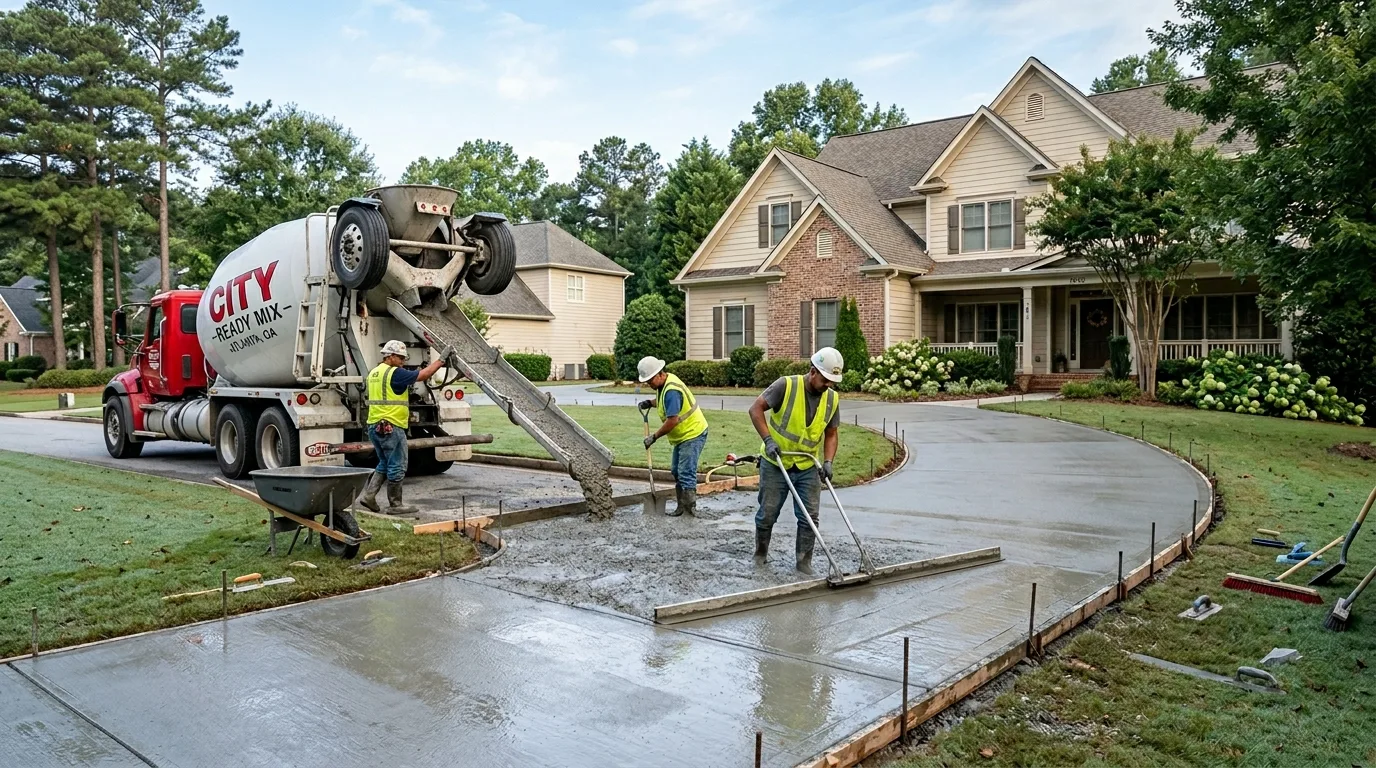
Timing a concrete project in College Park, Georgia isn’t complicated — but it does matter. Pour concrete in the wrong conditions and you risk surface defects, premature curing, or cracking that shows up within months of installation. In this post, we cover the best and worst times of year to pour concrete in College Park, what Georgia’s specific climate does to fresh concrete, and how to schedule your project for the best possible outcome.
Ready to Schedule Your College Park Concrete Project?
We'll help you pick the right window. Call (888) 376-0955 for availability and a free estimate.
Why Timing Matters for Concrete in College Park
Concrete cures — it doesn’t just dry. The chemical process called hydration, in which water reacts with cement particles to form the crystalline structure that gives concrete its strength, is sensitive to temperature and humidity. Too hot and humid, and the surface loses moisture faster than the interior cures, causing plastic shrinkage cracks. Too cold, and the hydration process slows dramatically or stops, producing weak concrete that never reaches its design strength.
College Park’s humid subtropical climate creates both extremes. Summer average highs reach 90°F with dew points above 65°F from June through August — the worst combination for concrete pours. Winters are mild by national standards with January lows averaging 34°F, which is workable for most concrete projects. Understanding which windows are ideal versus manageable helps you schedule projects at the right time and know what to expect when summer or winter work can’t be avoided.
Spring: The Best Season for Concrete in College Park
March through May is the best season for concrete installation in College Park. Daytime temperatures range from 66°F to 81°F, humidity is lower than the summer peak, and the weather is generally consistent enough to allow reliable scheduling. This combination allows concrete to cure at an ideal rate — slow enough to develop full strength, fast enough that normal project timelines hold.
Spring is also when College Park experiences the most reliable stretches of dry weather before the summer thunderstorm pattern establishes itself. For large projects like driveway replacements or patio installations in the Eagan Park or Historic College Park District neighborhoods, scheduling a spring window gives you the best conditions and the most flexibility if weather delays occur. Book early — spring is the most requested season for concrete work in the Atlanta metro.
Summer: Manageable With the Right Approach
June through August in College Park means heat, humidity, and daily afternoon thunderstorms. These conditions are challenging for concrete but not prohibitive when the right adjustments are made. Our approach for summer concrete in College Park:
Early morning pours are essential. By starting at 6:00–7:00 AM, we use the coolest part of the day for the pour and finishing process. Concrete placed and finished before noon has a much better outcome than concrete poured at 2 PM into 90°F heat with direct sun exposure.
Wet burlap curing covers the fresh concrete immediately after finishing to retain surface moisture and slow the curing rate. In College Park’s summer conditions, this prevents the rapid surface drying that causes plastic shrinkage cracks within hours of placement.
Chilled mix water reduces the temperature of the concrete as delivered, extending the working time before the mix begins to stiffen. The CEMEX plant in College Park can accommodate mix temperature requests when scheduled in advance.
Summer is a workable window for most concrete projects, including concrete driveways, patio slabs, and concrete slab work throughout the City Center area. Large commercial pours are more challenging and typically benefit from early-morning scheduling across multiple pours rather than single large daylong operations.
Fall: The Second-Best Season
September through November offers conditions nearly as favorable as spring. College Park temperatures drop from summer highs into the 64–84°F range, humidity decreases noticeably, and the afternoon thunderstorm pattern becomes less frequent. October and November in particular provide excellent curing conditions — mild days, cool nights, and generally reliable weather patterns.
Fall is an especially good window for stamped concrete patio work, where the finishing and stamping process benefits from cooler ambient temperatures that extend working time. Stamped concrete in summer heat can begin stiffening before the stamping process is complete, limiting pattern detail and color consistency. Fall takes that risk off the table for most projects in College Park.
Winter: A Viable Option in College Park
December through February in College Park is mild by national standards. Average high temperatures range from 53°F to 58°F, with lows averaging 34–38°F. Freezing temperatures are possible but brief — College Park averages just 2 inches of annual snowfall. This mild winter climate makes concrete work feasible through the coldest months for the majority of residential projects.
The primary winter concern is protecting fresh concrete from the occasional freeze. We use curing blankets on nights when temperatures are forecast below 40°F, which insulates the fresh concrete and keeps the hydration process proceeding normally. Standard residential concrete work — driveways, patios, slabs — proceeds through Georgia’s mild winters with these precautions in place.
Winter is also typically the easiest booking window, with shorter lead times than spring and fall. Homeowners who want a new concrete driveway or patio in place before spring often choose a winter install to avoid the spring scheduling rush.
Schedule Your College Park Concrete Project
Spring slots fill quickly — contact us at (888) 376-0955 to check availability for your preferred window.
Practical Notes on College Park Concrete Scheduling
College Park’s 52-inch annual rainfall is spread fairly evenly across the year, which means rain delays can occur in any season. We build weather contingencies into all project schedules and communicate proactively about delays. A rain delay of 24–48 hours is normal; it doesn’t affect project quality when the concrete hasn’t been placed yet.
The summer thunderstorm pattern (typically afternoon storms from June through August) means morning pour starts are the standard approach — not an exception. If a contractor suggests a summer afternoon pour without discussing the heat and weather management plan, that’s a gap worth asking about.
Permit processing through College Park Building & Inspections typically takes 5–10 business days for standard residential permits. We factor this into project scheduling so permits are in hand before the project start date. If you’re targeting a spring installation, starting the permit process in February gives you the right timeline.
Frequently Asked Questions
What is the best time of year to pour concrete in College Park, GA?
March through May — spring — is the best season for concrete installation in College Park. Temperatures in the 66–81°F range and lower humidity than summer provide ideal curing conditions. Fall (September–November) is nearly as good. Both seasons allow reliable scheduling and produce the best long-term results for driveways, patios, and concrete slabs in College Park’s humid subtropical climate.
Can you pour concrete in College Park in summer?
Yes — with the right adjustments. Early-morning pours (6:00–7:00 AM start), wet burlap curing covers, and chilled mix water manage the challenges of College Park’s 87–90°F summer heat. Most residential concrete projects proceed through summer without issue when these practices are followed. Large commercial pours are more complex and typically benefit from phased morning scheduling. Read our complete concrete driveway cost guide for information on summer project pricing.
Is winter a good time for concrete in College Park, GA?
Yes — Georgia’s mild winters make December through February a workable window for most College Park concrete projects. Average high temperatures in the 53–58°F range support normal curing. On nights where temperatures drop below 40°F, we use insulating curing blankets to protect fresh concrete from cold. Winter scheduling often has shorter lead times than spring and fall. See our concrete driveway installation page for year-round availability.
Any Season — College Park Concrete Delivers
Call (888) 376-0955 to schedule your concrete project. We work year-round in College Park with weather-appropriate practices for every season.
Related: